
Understanding Picosecond Laser Technology
What Is a Picosecond Laser?
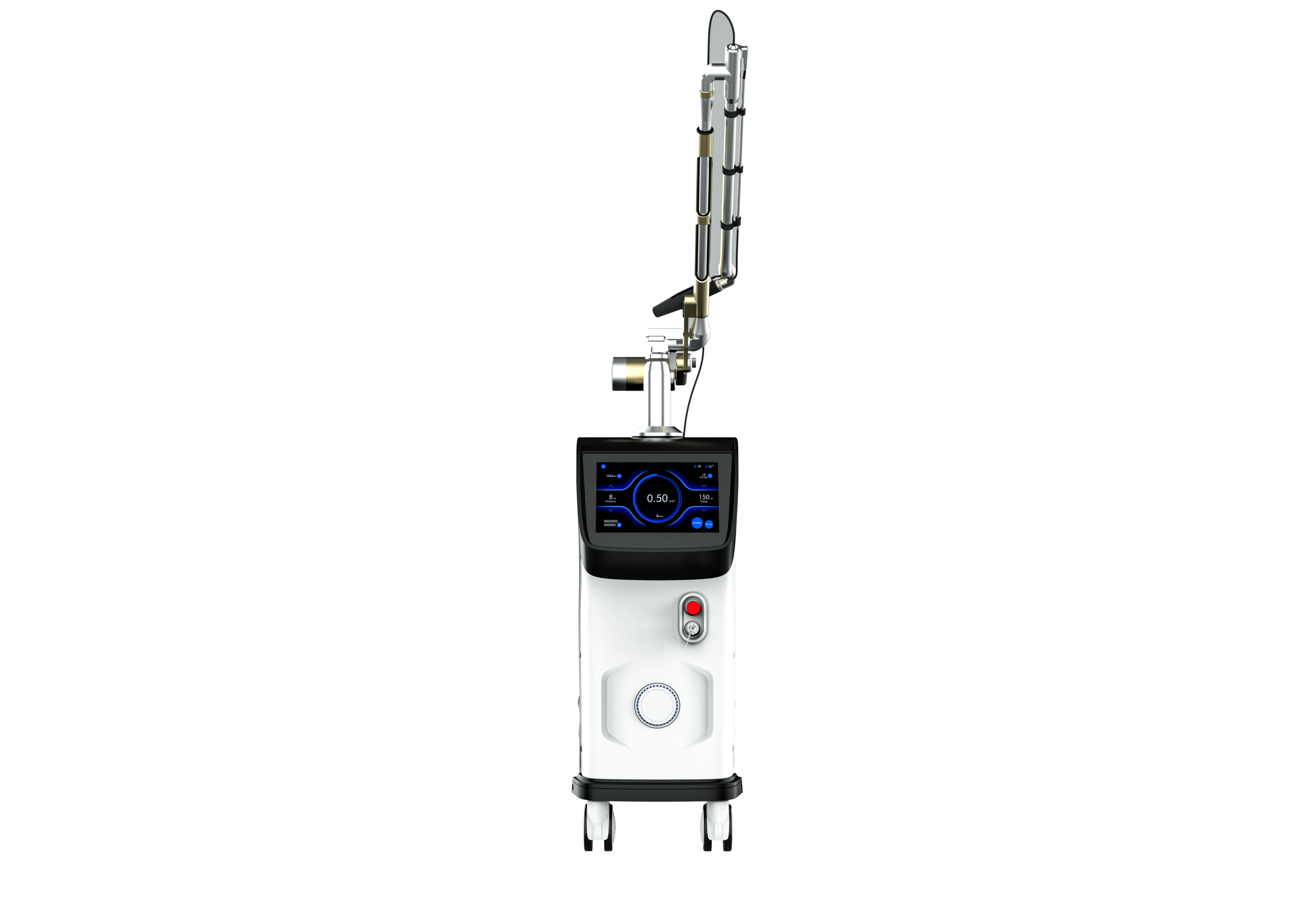
A picosecond laser is one of the most advanced laser technologies available in modern aesthetic medicine. Unlike traditional nanosecond lasers, which deliver energy in billionths of a second, a picosecond laser emits ultra-short pulses measured in trillionths of a second (picoseconds). This extremely short pulse duration allows energy to be delivered rapidly and precisely, creating a powerful photomechanical effect while limiting heat transfer to the surrounding tissue.
Rather than relying primarily on heat to break down unwanted pigment, picosecond technology generates high-energy pressure waves that fragment pigment particles into much smaller pieces. These tiny fragments are then naturally processed and removed by the body’s lymphatic system over time.
This innovative approach allows practitioners to perform a wide range of aesthetic treatments while maintaining excellent treatment precision and supporting patient comfort.
How Does a Picosecond Laser Work?
The laser emits concentrated bursts of energy at specific wavelengths, commonly 1064nm and 532nm, allowing practitioners to target different colours of pigment and varying skin depths.
1064nm Wavelength
The 1064nm wavelength penetrates deeper into the skin and is commonly used for:
- Dark tattoo pigments
- Deeper dermal pigmentation
- Skin rejuvenation treatments
- Collagen stimulation procedures
532nm Wavelength
The 532nm wavelength targets more superficial pigmentation and is frequently used for:
- Red and orange tattoo pigments
- Sunspots
- Freckles
- Certain benign pigmented lesions
- Superficial pigmentation irregularities
Because energy is delivered in extremely short pulses, surrounding tissue receives less thermal exposure compared with many traditional laser systems. This enables precise targeting of treatment areas while helping minimise unnecessary thermal damage.
Treatment Applications
The Picosecond ND YAG Laser is designed as a versatile platform capable of supporting numerous professional aesthetic procedures.
Tattoo Removal
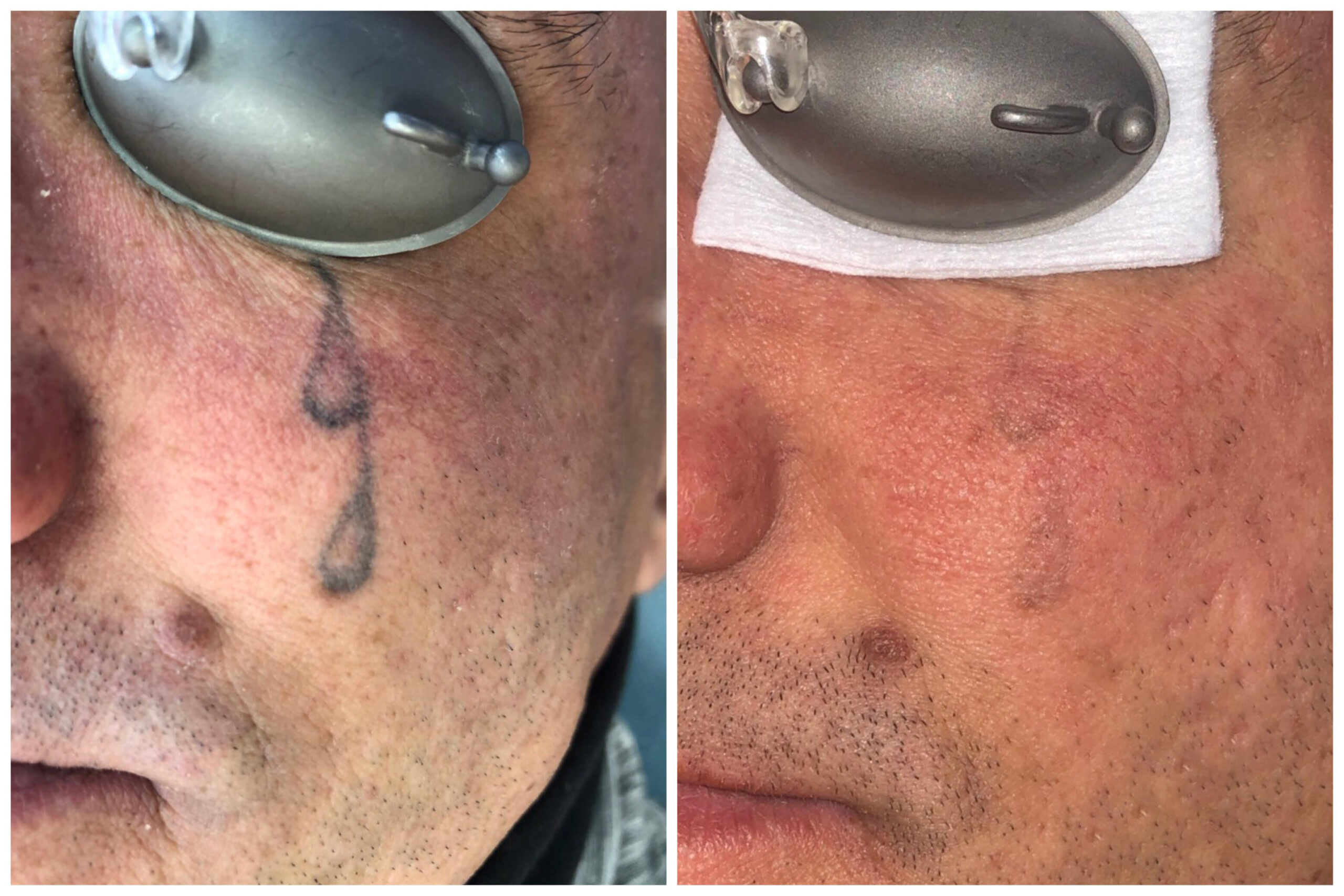
Picosecond technology has become a popular option for tattoo removal due to its ability to fragment ink into extremely small particles. This enables the body’s natural processes to clear pigment gradually over multiple treatment sessions.
The system may be used to treat:
- Black tattoos
- Blue tattoos
- Green tattoos
- Red pigments
- Multi-coloured tattoos
- Amateur tattoos
- Professional tattoos
Treatment outcomes depend on factors including ink composition, tattoo age, depth, colour, skin type, and individual healing response.
Pigmented Lesions
The system may be used in procedures intended to improve the appearance of various benign pigmented lesions following appropriate clinical assessment.
These include:
- Sunspots
- Age spots
- Freckles
- Solar lentigines
- Uneven skin pigmentation
Treatment suitability should always be determined by a qualified practitioner.
Skin Rejuvenation
Picosecond laser treatments can also be used as part of skin revitalisation procedures.
The controlled delivery of laser energy may stimulate the skin’s natural healing response and encourage collagen remodelling, helping improve the overall appearance of the skin.
Many practitioners use picosecond treatments to address:
- Dull skin
- Uneven skin texture
- Fine lines
- Enlarged pores
- General skin quality
Acne Scar Treatments
Fractional picosecond treatment techniques may be incorporated into procedures intended to improve the appearance of certain acne scars.
Controlled micro-injury stimulates natural tissue remodelling over time, with gradual improvements becoming visible during the weeks and months following treatment.
Pigmentation Management
Depending on practitioner assessment and patient suitability, picosecond technology may also be used within treatment plans for selected pigmentation concerns.
Individual treatment protocols should always be tailored to the patient’s skin type, medical history, and clinical presentation.
Patient Comfort
Many patients describe treatment as a mild snapping sensation against the skin.
Depending on the treatment area and individual sensitivity, practitioners may use cooling systems or topical anaesthetic creams to improve patient comfort.
Treatment duration varies according to the size of the area being treated, with many sessions lasting between 15 and 45 minutes.
Downtime
One of the key advantages of picosecond technology is the relatively short recovery period compared with more aggressive resurfacing procedures.
Following treatment, patients may experience temporary:
- Mild redness
- Slight swelling
- Warmth
- Temporary skin sensitivity
These effects often settle within several hours to a few days, although recovery varies according to treatment intensity, the area treated, and individual healing response.
When treating tattoos or pigmented lesions, temporary whitening (“frosting”), crusting, or darkening of the treated area may occur as part of the normal healing process.
Patients should follow all post-treatment instructions provided by their practitioner, including appropriate sun protection and skincare.
Expected Outcomes
Results vary between individuals and depend on factors such as skin type, treatment goals, pigmentation characteristics, lifestyle, and adherence to aftercare.
Many patients notice progressive improvements over a series of treatments.
Potential outcomes may include:
- Gradual fading of tattoo pigment
- Improved appearance of pigmentation irregularities
- Brighter, more even-looking skin
- Smoother skin texture
- Improved skin quality
- Reduction in the appearance of selected acne scars
- Healthier-looking, rejuvenated skin
Optimal results typically require multiple treatment sessions spaced according to the practitioner’s treatment protocol.
Why Clinics Choose Picosecond Technology
The Picosecond ND YAG Laser combines advanced engineering with clinical versatility, allowing practitioners to expand their treatment offering using a single, multi-functional platform.
Key advantages include:
- Ultra-fast picosecond pulse technology
- Dual wavelengths (532nm & 1064nm)
- Precision energy delivery
- Adjustable treatment parameters
- High-performance operation
- Comprehensive safety monitoring
- Suitable for a wide range of professional aesthetic procedures
- Designed for busy clinics, medical spas, and dermatology practices
Whether expanding an established clinic or investing in new treatment capabilities, the Picosecond ND YAG Laser provides a professional solution for practitioners seeking advanced technology, reliable performance, and exceptional treatment versatility.
Please visit our partners for online training in Picosecond Lasers.